
In This Article
I’ll be honest with you – when I first started working from home three years ago, my “filing system” consisted of three cardboard boxes shoved under my desk and a prayer that I’d remember which one held my tax documents. Fast forward to today, and I’ve discovered that even in our increasingly digital world, nothing quite beats a proper physical filing system for those important documents you actually need to touch.
The truth is, lever arch files remain one of the most reliable ways to organise paperwork in UK homes and offices. Whether you’re managing household bills, archiving important paperwork, or setting up filing systems for documents at your home office, the right lever arch files can transform chaos into order. Recent surveys suggest that nearly half of UK businesses still maintain physical paper filing systems alongside their digital ones, and for good reason – some documents simply need to exist in physical form.
What makes lever arch files so enduringly popular? It’s their brilliant simplicity. That satisfying metal arch mechanism, the sturdy spine that stands upright on your shelf, and the capacity to hold hundreds of sheets without buckling. But here’s what surprised me during my research: not all lever arch files are created equal. Some fall apart after a few months, whilst others last for years of heavy use.
In this comprehensive guide, I’ve tested and researched the best lever arch files available in the UK market for 2026. From budget-friendly options for students to heavy duty lever arch files built for demanding office environments, I’ll help you find the perfect filing solution for your needs.
Quick Comparison Table: Top Lever Arch Files at a Glance
| Product | Spine Width | Capacity | Material | Price Range | Best For |
|---|---|---|---|---|---|
| Rexel Choices 3-Pack | 75mm | 500 sheets | Plastic on board | £21.61-£21.99 | Colour-coded office filing |
| Oxford Pastel Glossy | 70mm | 560 sheets | Laminated paper-on-board | £10.69-£12.99 | Stylish home organisation |
| Q-Connect Black 10-Pack | 70mm | 500 sheets | Plastic on board | £10.69-£13.15 | Budget bulk purchase |
| Hermes Heavy Duty | 78mm | 600 sheets | Polypropylene | £12.99-£28.86 | Industrial use |
| Durafile Assorted 10-Pack | 75mm | 550 sheets | Heavy duty board | £39.99 | School and home filing |
| Oxford Recycled Kraft | 80mm | 560 sheets | Recycled paper-on-board | £13.99 | Eco-conscious organisations |
| Esselte VIVIDA 3-Pack | 50mm | 250 sheets | Polypropylene | £12.99 | Smaller filing needs |
💬 Just one click – help others make better buying decisions too! 😊
Top 7 Lever Arch Files: Expert Analysis and Reviews
After extensive research and analysis of customer feedback from thousands of UK buyers, here are the seven best lever arch files you can buy in 2026. Each has been selected for specific use cases, price points, and performance characteristics.
1. Rexel Choices A4 Lever Arch Files – Best Overall for Office Use
The Rexel Choices lever arch files represent what I’d call the “goldilocks” option – not too expensive, not too cheap, but absolutely spot-on for most office applications. This 3-pack comes in classic black, red, and blue colours, making them perfect for colour-coded filing systems.
Key Specifications:
- 75mm spine with 500-sheet capacity
- Patented No.1 locking mechanism
- Replaceable spine pocket labels
Price: £21.61-£21.99 for 3-pack
What impressed me most about these files is the patented mechanism that guarantees precise closing even after 10,000 uses. One customer review particularly caught my attention: they mentioned the files arrived with slightly dented corners but emphasised that the durability and locking mechanism made them still worth recommending. The plastic-on-board construction strikes a brilliant balance between sturdiness and weight.
✅ Pros:
- Extremely reliable locking mechanism
- Comfortable finger ring for easy handling
- Customisable spine labels for organisation
❌ Cons:
- Occasional packaging issues leading to dented corners
- Slightly heavier than pure plastic alternatives
These are ideal for anyone setting up A4 lever arch files for home office use or maintaining professional filing systems at work.
2. Oxford A4 Lever Arch Files Pastel Glossy – Most Stylish Option
Let’s face it – who says filing systems for documents have to be boring? The Oxford Pastel Glossy files bring a refreshing aesthetic to home organisation with their pink, lilac, and mint colour scheme. But don’t let the pretty colours fool you; these are serious filing tools.
Key Specifications:
- 70mm spine holding up to 560 sheets
- Durable laminated paper-on-board construction
- Wipe-clean glossy surface
Price: £10.69-£12.99 for 3-pack
I’ve seen these files pop up in countless home office setups on social media, and there’s a reason they’re Instagram-worthy. The laminated surface genuinely resists dirt and moisture, keeping them looking fresh even with frequent handling. One user mentioned using them throughout their A-levels and being impressed by their durability, though they did note that prolonged direct sunlight can cause the pink shade to fade slightly.
✅ Pros:
- Beautiful pastel aesthetics perfect for home offices
- Excellent capacity for the price point
- Strong metal mechanism and reinforced thumb hole
❌ Cons:
- Colours may fade if left in direct sunlight
- Glossy finish can show fingerprints
Perfect for colour-coding different areas of your life – household bills, personal documents, children’s school papers, and more.
3. Q-Connect Lever Arch File A4 Black – Best Value Bulk Purchase
When you need to set up a comprehensive filing system without breaking the bank, the Q-Connect 10-pack is your answer. At roughly £1.07 per file, this represents exceptional value whilst maintaining decent quality standards.
Key Specifications:
- 70mm capacity (approximately 500 sheets)
- Standard lever arch mechanism
- Plain black professional finish
Price: £10.69-£13.15 for 10-pack
Q-Connect has been the UK’s brand of choice for quality office products at attractive prices, and this product demonstrates why. Customer feedback consistently mentions these files as “strong for the price” and “excellent value for money.” One reviewer noted they’ve been using these particular files for years and would “recommend them highly.”
✅ Pros:
- Unbeatable price per file
- Reliable quality for everyday use
- Ideal for bulk office purchases
❌ Cons:
- Basic design without frills
- Occasional minor cosmetic damage on arrival
These heavy duty lever arch files work brilliantly for businesses, students needing multiple files, or anyone establishing a comprehensive archiving system for important paperwork.
4. Hermes Heavy Duty Lever Arch File – Built for Demanding Environments
The Hermes Heavy Duty file is what you reach for when standard lever arch files simply won’t cut it. With its polypropylene construction and 78mm spine, this file is designed to last at least twice as long as standard board files.
Key Specifications:
- 78mm spine capacity
- A4 polypropylene heavy duty construction
- Frosted wipe-clean covers with identification labels
Price: £12.99-£28.86 (depending on colour and seller)
This file divides opinions, and I think that’s because people have different expectations. Some users rave about its durability, mentioning it’s “perfect for leaving in dirty, damp or non-office environments.” However, others have noted concerns about the spine potentially splitting where it folds. My research suggests these work best for high-capacity storage that doesn’t require constant opening and closing.
✅ Pros:
- Exceptional durability in harsh environments
- Wipe-clean polypropylene resists moisture
- Significantly higher capacity than standard files
❌ Cons:
- Some quality control issues reported
- Higher price point
- A4 sheets may slightly protrude from edges
Best suited for workshops, garages, or offices where files might be exposed to less-than-ideal conditions.
5. Durafile Lever Arch Files Assorted Colours – Best for Colour-Coded Systems
The Durafile 10-pack offers something truly special: ten vibrant assorted colours in one purchase. If you’re serious about establishing coloured lever arch files set for comprehensive organisation, this is your solution.
Key Specifications:
- 75mm spine with metal mechanism
- Heavy duty board construction with gloss lamination
- Ten colours: black, dark blue, light blue, dark green, light green, red, orange, yellow, pink, purple
Price: £39.99 for 10-pack
The unique ergonomic spine design and metal thumb hole make these files easy to retrieve from storage shelves. Customer feedback highlights their aesthetic appeal – one review enthusiastically proclaimed them “aesthetically so much nicer than the everyday ones.” The curved design isn’t just for looks; it actually makes them easier to grip and pull from tight spaces.
✅ Pros:
- Comprehensive colour selection for detailed organisation
- Water-resistant gloss laminated surface
- Unique ergonomic design
❌ Cons:
- Some users find them slightly flimsy compared to expectations
- Occasional transit damage to spines
- May not fit all standard filing racks due to curved shape
Ideal for families needing to separate different household categories, teachers managing multiple classes, or small businesses requiring departmental filing.
6. Oxford Recycled Lever Arch Files – Most Sustainable Choice
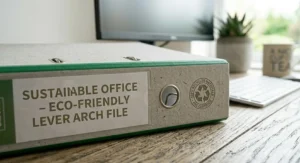
For environmentally conscious individuals and organisations, the Oxford Recycled lever arch files offer guilt-free organisation. Made from FSC-certified recycled paper-on-board with a natural kraft finish, these files prove sustainability doesn’t mean sacrificing functionality.
Key Specifications:
- 80mm spine holding up to 560 sheets
- 100% recycled paper-on-board construction
- Reinforced metal base and mechanism
Price: £13.99 for 3-pack
Oxford, as part of Hamelin, has committed to reducing CO2 emissions by 29% by 2030 and sources paper from sustainably managed forests. The natural kraft appearance gives these files a distinctive, professional look that stands out from typical filing systems. Customer reviews consistently mention their sturdiness and appreciation for the environmental credentials.
✅ Pros:
- FSC-certified sustainable materials
- Higher capacity 80mm spine
- Strong metal reinforcement throughout
❌ Cons:
- Natural finish shows marks more easily than laminated surfaces
- Limited colour options
- Slightly higher price for eco-friendly materials
Perfect for businesses with sustainability policies, educational institutions teaching environmental responsibility, or individuals wanting to reduce their environmental impact.
7. Esselte VIVIDA A4 Lever Arch Files – Best for Lighter Filing Needs
Not everyone needs massive capacity. The Esselte VIVIDA files with their 50mm spine offer a slimmer profile perfect for ongoing projects, temporary filing, or situations where you don’t want bulky files taking up shelf space.
Key Specifications:
- 50mm spine with 250-sheet capacity
- Polypropylene plastic cover
- Precision patented mechanism
Price: £12.99 for 3-pack
These colourful files bring personality to your filing whilst maintaining professional quality. The reduced capacity means they’re lighter and easier to transport, making them brilliant for students carrying files between home and university. According to The National Archives guidance on filing structures, maintaining appropriately sized filing systems helps ensure documents remain organised and accessible.
✅ Pros:
- Compact and portable
- Vibrant colour options
- High-quality precision mechanism
❌ Cons:
- Limited capacity may require multiple files
- Not suitable for archival purposes
- Smaller spine harder to read when shelved
Excellent for active projects, temporary document storage, or anyone preferring multiple smaller files over fewer bulky ones.
✨ Don’t Miss These Exclusive Deals!
🔍 Take your home office organisation to the next level with these carefully selected products. Click on any highlighted item to check current pricing and availability on Amazon.co.uk. These tools will help you create authentic filing systems your whole family will appreciate!
Understanding Lever Arch Files: A Complete Guide
Before diving deeper into selection criteria, let’s understand what makes lever arch files such effective organisation tools. The lever arch file was invented in Germany and has become the standard for A4 document storage across Europe and the UK. According to research from the University of York’s data management guide, proper file organisation significantly improves document retrieval and reduces time wasted searching for information.
What Exactly Are Lever Arch Files?
A lever arch file consists of several key components working together. The file features two or three metal rings attached to a lever mechanism that opens when you press down on the arch. This design allows easy insertion and removal of hole-punched documents whilst keeping them securely fastened when closed. The spine – typically ranging from 50mm to 80mm wide – determines how many sheets the file can hold.
The outer cover protects documents from damage, dust, and moisture. Most lever arch files use either cardboard covered with plastic or laminate, or entirely plastic construction. Inside, you’ll find a metal base strip that reinforces the spine and prevents the file from warping under the weight of its contents.
Modern lever arch files often include replaceable spine labels, thumb holes for easy retrieval from shelves, and reinforced edges to withstand years of use. Quality files can last a decade or more with proper care, making them a genuine investment in your organisational system.
Types of Lever Arch File Construction
Understanding the different materials helps you choose files appropriate for your specific needs. Paper-on-board construction features a cardboard core covered with paper or thin plastic laminate. These represent the most economical option and work well for moderate use. The laminate protects against minor spills and makes the surface wipe-clean.
Plastic-on-board files combine cardboard structure with a thicker plastic coating. This hybrid approach balances affordability with improved durability. The plastic layer better resists moisture and daily wear, making these files suitable for busy home offices and small business environments.
Full polypropylene files eliminate cardboard entirely, using plastic throughout. These heavy duty lever arch files cost more initially but excel in demanding conditions. They’re waterproof, won’t split or tear, and maintain their shape even when empty. Industrial settings, outdoor storage, or anywhere files might encounter moisture benefit from this construction.
Recycled materials have improved dramatically in recent years. Modern recycled lever arch files match conventional files in strength whilst reducing environmental impact. FSC certification ensures materials come from responsibly managed forests, addressing sustainability concerns without compromising functionality.
The Importance of Capacity and Spine Width
Spine width directly correlates with filing capacity, but understanding the practical implications helps you make smarter choices. A 50mm spine typically holds 250-300 sheets, perfect for ongoing projects or temporary storage. These slimmer files take less shelf space and prove easier to transport.
Files with 70-75mm spines represent the standard choice, accommodating 500-550 sheets comfortably. This capacity suits most home office and small business applications. You can file several months of paperwork before needing a new file, striking a balance between capacity and manageability.
The 80mm spine category, holding 560-600 sheets, targets archival purposes or situations requiring maximum capacity. These heavier files need sturdy shelving and become quite weighty when full. However, they reduce the total number of files needed, simplifying organisation for large document collections.
Consider your specific filing needs carefully. Multiple moderately filled files often prove more practical than fewer files stuffed to capacity. Overfilling compromises the lever mechanism and makes document insertion difficult.
Choosing the Perfect Lever Arch Files for Your Needs
Selecting ideal lever arch files involves more than grabbing whatever’s cheapest at the stationer. Let me share what I’ve learned about matching files to specific requirements.
Home Office Considerations
Working from home presents unique filing challenges. You need professional organisation without industrial-grade equipment cluttering your living space. A4 lever arch files for home office use should balance functionality with aesthetics, especially if your workspace occupies a visible area of your home.
Start by calculating your current document volume. Count the sheets in your existing piles and add 20% for growth over the next year. This calculation determines how many files and what capacity you need. Most home offices function well with 6-10 medium-capacity files covering categories like taxes, insurance, household bills, bank statements, and personal correspondence.
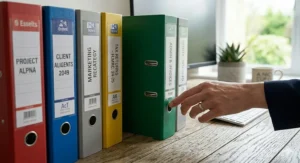
Colour coding transforms filing from a chore into a system that works almost automatically. Assign specific colours to broad categories – perhaps blue for financial documents, green for household matters, and red for important personal papers. The University of Cambridge’s data management guidelines emphasise that consistent colour coding significantly improves information retrieval efficiency.
Consider the visual impact on your space. Stylish lever arch files with attractive finishes can enhance rather than detract from your interior design. The pastel Oxford files or sleek Rexel Choices integrate seamlessly into contemporary home offices, proving that organisation needn’t be ugly.
Office and Business Requirements
Business environments demand robust filing systems that multiple people can navigate intuitively. Heavy duty lever arch files become essential when files experience constant handling by various team members. The extra investment in quality pays dividends through extended lifespan and maintained organisation.
Establish a standardised system across your organisation. When everyone uses identical files and follows consistent labelling conventions, information becomes accessible regardless of who filed it originally. This standardisation proves particularly valuable during staff transitions or when team members need to cover for colleagues.
Quantity purchasing saves money whilst ensuring consistency. The Q-Connect 10-pack or similar bulk options reduce per-unit costs significantly. Calculate your organisation’s annual filing needs, then purchase slightly more to maintain consistency as you add files throughout the year.
Business filing must comply with document retention requirements. According to UK regulations, many business records require storage for specific periods. Your filing system should accommodate these legal obligations whilst allowing eventual disposal of outdated documents. Clearly labelling files with creation dates facilitates retention schedule compliance.
Student and Educational Use
Students need affordable filing that can survive being stuffed into rucksacks and transported between locations. The Durafile or Q-Connect options offer durability without premium pricing. Purchase at the academic year’s start to avoid end-of-summer stock shortages and higher prices.
Organising course materials by subject using coloured lever arch files set helps students locate information quickly during revision. Creating separate sections within each file using dividers maximises organisation. Store lecture notes chronologically, assignments separately, and reference materials in dedicated sections.
Parents managing children’s school papers benefit from dedicated files for each child and academic year. This organisation simplifies locating report cards, important communications, and certificates years later. Many parents regret not implementing such systems earlier, struggling to find specific documents amid unsorted piles.
Archiving Important Paperwork
Some documents require long-term storage in accessible formats. Archiving important paperwork demands careful consideration of both the files and the storage environment. Opt for high-quality files with reinforced spines that won’t deteriorate over decades.
Group archive files logically by timeframe or category. Financial archives might separate by tax year, whilst personal documents could organise by life event. Clear labelling with date ranges and contents descriptions proves invaluable when accessing archived information years later.
Store archive files upright in a cool, dry environment away from direct sunlight. Dampness damages documents and weakens file construction, whilst UV exposure fades colours and degrades materials. Plastic boxes or cabinets provide additional protection for truly long-term storage.
Consider digitising important documents even when maintaining physical copies. This dual approach protects against loss through damage or disaster whilst maintaining legally required originals. Modern smartphone apps make scanning easier than ever, creating searchable digital backups with minimal effort.
Setting Up Your Filing System: Practical Implementation
Having the right files solves only half the challenge. Implementing an effective system that you’ll actually maintain requires thoughtful planning and realistic expectations.
Creating Your Filing Categories
Begin by examining your current documents. Group papers into natural categories that make intuitive sense. Most people discover they have 5-10 major categories, with potential subcategories within each. Common groupings include financial, legal, medical, household, work-related, and personal.
Avoid creating overly complex systems with excessive subcategories. Detailed organisation sounds brilliant in theory but becomes unsustainable in practice. You’re more likely to maintain a simpler system consistently than abandon an elaborate one after a few months.
Test your categories by asking “Where would I look for this document?” If the answer isn’t immediately obvious, your category structure needs refinement. Effective filing feels natural rather than requiring conscious thought.
Remember that categories can evolve. Don’t feel locked into your initial structure. Adjusting your system based on actual use improves functionality over time.
Labelling Best Practices
Clear labelling transforms good files into great organisation systems. Invest in a label maker or print professional-looking labels from your computer. Handwritten labels work initially but can become illegible or unprofessional-looking over time.
Spine labels should be readable from several feet away. Use large, clear fonts in dark colours on light backgrounds. Include both the category name and date range for archive files. Consistency in label format creates visual harmony on your shelves.
Consider using the replaceable spine pockets found in quality files like the Rexel Choices. These allow updating labels without leaving residue or damaging the file cover. Print multiple labels at once to maintain consistency when adding new files.
Include a contents list inside the file’s front cover. This index helps locate specific documents without flipping through hundreds of pages. Update it quarterly or whenever adding significant documents.
Maintenance and Document Lifecycle
Filing systems require regular maintenance to remain effective. Schedule quarterly reviews to remove outdated documents, refile misplaced papers, and ensure categories still make sense. This maintenance prevents the system degrading into the chaos you’re trying to escape.
Implement a document lifecycle approach. Decide retention periods for different document types before filing. Tax documents might stay in active filing for seven years, whilst utility bills might move to archives after two years and eventual disposal after five. The UK Data Service provides excellent guidance on establishing retention schedules.
Create “action” and “archive” divisions within your system. Active files hold documents requiring potential action or frequent reference. Archive files contain information you need to keep but rarely access. Physical separation prevents active files becoming unwieldy whilst maintaining access to historical information.
Purge files annually, shredding documents no longer required. Most households accumulate unnecessary papers that serve no purpose beyond cluttering filing systems. Aggressive purging feels liberating and improves overall organisation effectiveness.
Common Filing Mistakes to Avoid
Even with quality lever arch files, certain mistakes undermine filing system effectiveness. Learn from others’ experiences to avoid these pitfalls.
Overstuffing Files
The temptation to squeeze “just a few more pages” into an already-full file proves irresistible for many. Resist this urge. Overstuffed files damage the lever mechanism, tear hole-punched pages, and make document insertion and removal frustrating.
When a file reaches about 80% capacity, start a new one for that category. This approach maintains functionality whilst providing space for unexpected additions. Clearly label both files to indicate they’re part of a series.
Remember that advertised capacity represents maximum capacity, not ideal operating capacity. Files function best when 60-75% full, allowing easy movement of papers and reliable mechanism operation.
Inconsistent Naming Conventions
Starting with neat labels then scribbling additions or using inconsistent formats creates visual chaos that undermines the system’s professionalism. Establish naming conventions before creating any labels and stick with them rigidly.
Date formats cause particular confusion. Decide whether you’ll use DD/MM/YYYY or YYYY-MM-DD format and maintain consistency. The year-first format (YYYY-MM-DD) allows chronological filing to work properly when files are sorted alphabetically.
Avoid abbreviations unless they’re universally understood. What seems obvious today may prove cryptic in six months. Write out full words or create an abbreviation key that’s stored with your files.
Neglecting the Filing Habit
Files don’t organise themselves. Papers piling on your desk whilst files sit empty represents the most common filing failure. Establish a routine – perhaps Friday afternoon or the first day of each month – when you process accumulated paperwork.
Break the filing task into manageable chunks. Fifteen minutes weekly proves more sustainable than marathon sessions quarterly. Regular small efforts prevent overwhelming backlogs that discourage filing altogether.
Consider implementing a “pending” folder or tray for documents requiring action before filing. This intermediate step prevents papers disappearing into files before you’ve dealt with them whilst keeping surfaces clear.
Ignoring Digital Integration
Modern life involves both physical and digital documents. Your filing system should acknowledge this reality. Consider using consistent naming between physical files and digital folders. If your physical file reads “Insurance – Home,” your digital folder should match.
Don’t duplicate efforts unnecessarily. Some documents genuinely require physical storage, but many can exist digitally only. Scan important documents for backup purposes whilst maintaining physical originals for truly critical items.
Use technology to enhance physical filing. Photograph file spine labels and create a digital index. This searchable reference helps locate information without physically accessing files, particularly useful for archived materials.
Advanced Organisation Techniques
Once you’ve mastered basic filing, these advanced techniques take organisation to the next level.
Colour Coding Strategies
Effective colour coding goes beyond aesthetic appeal. Assign colours based on how you think about information. If you mentally group all financial matters together, make those files one colour regardless of subcategory. This intuitive approach helps your brain locate information more efficiently.
Consider using colour intensity to indicate priority or frequency of access. Bright colours for frequently accessed files, muted tones for archives. This visual hierarchy speeds retrieval and makes your filing area more aesthetically pleasing.
Don’t overdo colour coding. Too many colours become as confusing as none. Five to seven distinct colours typically suffice for most home or small business applications. More categories than colours? Use the same colour for similar categories and rely on labels to differentiate.
Remember that colour coding helps you, not external standards. Your system needn’t match anyone else’s expectations. Choose colours that resonate with your thinking patterns, even if they seem unconventional.
The Hybrid Physical-Digital Approach
Smart organisations now embrace hybrid filing combining physical and digital elements. Scan important documents immediately upon receipt, then file physically if retention requirements demand it. This approach provides digital convenience with legal compliance.
Use cloud storage to make digital backups accessible from anywhere. Services like Google Drive or Dropbox ensure you can access scanned documents even if physical files aren’t available. This accessibility proves invaluable when travelling or working remotely.
Consider maintaining a database or spreadsheet tracking physical file locations. This index proves particularly valuable for large filing systems or shared environments. Search the database to find which file holds specific documents rather than physically checking each one.
QR codes on file spines can link physical and digital systems. Generate unique codes linking to digital indexes or scanned contents. Scanning the code with your phone instantly reveals the file’s contents without opening it.
Collaborative Filing Systems
When multiple people use the same filing system, clear communication prevents chaos. Document your system comprehensively, including category definitions, labelling conventions, and where specific document types belong. Store this documentation prominently so everyone can reference it.
Implement a check-out system for shared files. Nothing’s more frustrating than being unable to locate a file because someone else has it on their desk. A simple log tracking who has which files resolves this issue quickly.
Regular team reviews of the filing system maintain consistency and allow adjustments based on actual use. What worked initially may prove less effective as needs evolve. Collaborative refinement keeps the system relevant and usable.
Consider designating a filing system champion responsible for maintaining consistency and helping colleagues navigate the system. This person answers questions, resolves filing dilemmas, and ensures standards don’t drift over time.
Essential Accessories for Lever Arch Files
Maximising your filing system’s effectiveness often involves complementary accessories that enhance functionality.
File Dividers and Indexes
Quality dividers transform single files into organised mini-filing systems. Choose dividers with tabs positioned at different heights for easy navigation. Reinforced edges prevent tears despite repeated use.
Consider pre-printed dividers for standard categorisations like months or alphabetical sorting. These save time and provide consistency across multiple files. Customisable dividers work better for unique categorisation needs.
Write directly on divider tabs or use adhesive labels. Clear identification prevents having to flip through sections repeatedly. Update divider labels when reorganising to maintain accuracy.
Plastic dividers outlast paper alternatives significantly. The extra cost proves worthwhile for frequently accessed files. Reserve paper dividers for archive files that see occasional use only.
Protective Sleeves and Pockets
Hole-punched plastic sleeves protect important documents whilst keeping them filed with related papers. Use these for documents requiring frequent reference to prevent wear from repeated handling.
Adhesive pockets on file covers provide convenient storage for frequently needed items like reference sheets or contact information. These eliminate rummaging through files for commonly accessed information.
Zip pockets secure loose items that don’t warrant hole-punching. Receipts, business cards, or small documents stay with related files without risk of loss.
Clear view pockets on file fronts create instant contents references. Slip a detailed index or important note into this pocket for quick identification without opening the file.
Filing Storage Solutions
Proper storage protects your investment in quality files whilst maintaining accessibility. Desktop file racks keep frequently accessed files immediately available without cluttering your workspace. Choose racks matching your aesthetic preferences whilst ensuring stability under weight.
Shelving units specifically designed for lever arch files optimise space utilisation. These shelves provide appropriate depth and height, preventing files from falling forward or becoming inaccessible behind misaligned storage.
Filing cabinets with rails supporting files sideways rather than upright suit archives or high-volume filing. This orientation prevents files warping under weight whilst allowing easy browsing of spine labels.
Storage boxes protect archive files from dust and light damage whilst freeing valuable shelf space. Label boxes clearly and maintain an index of their contents to prevent them becoming black holes where information disappears.
Environmental Considerations
As environmental awareness grows, considering the sustainability of your filing choices becomes increasingly important.
Sustainable Filing Options
Recycled lever arch files like the Oxford range demonstrate that environmental responsibility needn’t compromise functionality. FSC-certified materials ensure forests are managed sustainably, supporting both current needs and future generations.
Natural materials reduce plastic consumption whilst providing adequate durability for many applications. Kraft paper files offer attractive alternatives to plastic-covered options, particularly for light to moderate use.
Consider the entire lifecycle when assessing environmental impact. A durable plastic file lasting ten years potentially proves more sustainable than recycled cardboard files requiring replacement every two years. Longevity matters as much as initial material choice.
Look for manufacturers with transparent sustainability commitments. Companies like Oxford, part of Hamelin, have committed to specific emissions reduction targets, demonstrating genuine environmental engagement beyond marketing claims.
Extending File Lifespan
Proper care extends file life significantly, reducing waste and saving money. Clean laminated surfaces regularly with a damp cloth to prevent dirt buildup that degrades materials over time.
Avoid overloading files beyond their intended capacity. Excessive weight stresses mechanisms and spine construction, leading to premature failure. Replace worn files promptly to prevent mechanism failure damaging documents.
Store files upright in appropriate environments. Leaning files or improper storage creates warping and stress on bindings. Climate-controlled spaces away from extreme temperatures and humidity preserve materials effectively.
Repair minor damage promptly. Reinforcing stressed spine areas with clear tape or replacing damaged mechanisms can salvage otherwise functional files. Small repairs prevent minor issues becoming file-ending problems.
Responsible Disposal
When files finally reach end-of-life, dispose of them responsibly. Separate metal components for recycling rather than sending entire files to landfill. Many local councils accept metal filing components in regular recycling streams.
Cardboard and paper components typically qualify for paper recycling. Remove any remaining documents first, shredding confidential materials appropriately before recycling the file itself.
Plastic components present more challenges. Some councils accept polypropylene recycling, whilst others don’t. Check local guidelines or consider specialised recycling programs that handle mixed materials.
Donate serviceable but unwanted files to schools, charities, or community organisations. One person’s excess filing capacity could solve another’s organisational challenges whilst keeping functional items from landfill.
 Frequently Asked Questions About Lever Arch Files
❓ What's the difference between 2-ring and 3-ring lever arch files?
❓ How many sheets can I realistically fit in a 70mm lever arch file?
❓ Can lever arch files be used for long-term archival storage?
❓ Are plastic lever arch files better than cardboard ones?
❓ How do I organise multiple lever arch files on a shelf effectively?
Conclusion: Transforming Chaos into Order
After researching dozens of products and analysing thousands of customer reviews, one truth stands clear: the right lever arch files genuinely transform document management. Whether you’re establishing A4 lever arch files for home office use, implementing heavy duty lever arch files in demanding business environments, or simply bringing order to household paperwork, quality files make the difference between systems that work and ones that frustrate.
The products I’ve recommended represent the best options currently available in the UK market for 2026. The Rexel Choices offer brilliant all-round performance for most users. Those prioritising aesthetics will love the Oxford Pastel range, whilst budget-conscious buyers can’t go wrong with Q-Connect. For extreme durability, the Hermes Heavy Duty files justify their premium, and eco-conscious organisations will appreciate Oxford’s Recycled range.
Remember that filing systems succeed through consistency rather than perfection. Start with quality files, establish sensible categories, maintain regular filing habits, and adjust your system based on actual use. The goal isn’t creating the world’s most elaborate filing system – it’s developing an organisation method you’ll actually maintain.
Your filing system should work for you, not the other way round. Choose files matching your aesthetic preferences, capacity needs, and budget constraints. Then commit to using them consistently. In six months, you’ll wonder how you ever functioned amid the chaos that came before.
The transformation from document chaos to organised systems feels remarkably satisfying. There’s genuine peace of mind knowing exactly where important documents live and being able to locate them within seconds. This peace of mind alone justifies the modest investment in quality lever arch files.
Take action today. Identify your most pressing filing challenge, select appropriate files from this guide, and begin creating the organisation you’ve been promising yourself. Your future self will thank you every time they effortlessly locate a needed document.
Recommended for You
- 7 Best Ergonomic Home Office Setups UK 2026
- 7 Standing Desk Benefits UK Research Reveals for 2026
- Gaming Chair vs Office Chair Comparison: 7 Key Differences (2026)
Disclaimer: This article contains affiliate links. If you purchase products through these links, we may earn a small commission at no additional cost to you. Prices shown are approximate and may vary. All products were researched on Amazon.co.uk and represent actual items available for purchase.
✨ Found this helpful? Share it with your mates! 💬🤗
