
In This Article
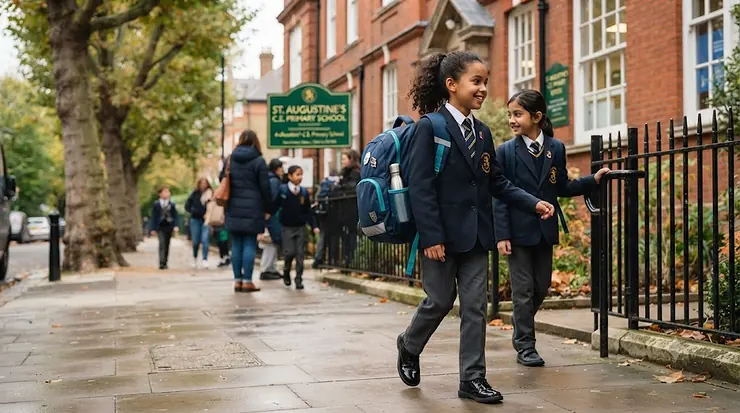
Somewhere between the last day of Reception and the first morning of secondary school, there’s a five-year stretch where the bag on your child’s back genuinely earns its keep. That’s Year 3 to Year 6 — ages seven through eleven — and it’s a different beast entirely to the tiny rucksacks toddlers wear more as a fashion statement than a functional carrier. A backpack for year 3 to 6 needs to survive being dragged along pavements, stuffed with reading books, PE kits and the odd conker collection, and hauled onto pegs by kids who are, let’s be honest, not always gentle with their belongings.
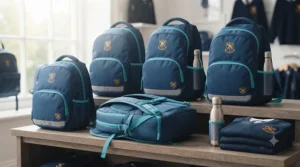
What is a backpack for year 3 to 6? It’s a school bag sized and structured for junior-age primary pupils (roughly 7–11 years), typically 14–25 litres, with padded adjustable straps, enough structure to protect books, and room for a lunch box and PE kit bag without looking like a duffel bag on legs.
The trouble is, the market is stuffed with options that all look identical in a thumbnail — bright colours, cartoon prints, “durable” claims plastered everywhere. Below, we’ve dug into seven real, currently available options on Amazon UK, weighed up genuine specs against aggregated review sentiment, and worked out which ones are actually worth your money across a full school year (or four). We’ll also cover the practical stuff nobody puts on the product page: how to fit a lunch box in without squashing the sandwiches, whether to bother with a separate PE kit bag, and what’s really going on with book bag straps once your child moves up from the little named drawstring bags of Reception and Year 1.
Quick Comparison Table
| Backpack | Capacity | Price Range | Best For |
|---|---|---|---|
| Fjällräven Kånken Classic | 16L | £70–£90 | Longevity across all four junior years |
| Trespass Swagger | 16L | £15–£20 | Tight budgets, first-time buyers |
| adidas Classic 3-Stripes | ~24L | £15–£25 | Reliable everyday all-rounder |
| Nike Elemental with Pencil Case | ~22L | £30–£40 | Bundled stationery storage |
| Under Armour Hustle | ~26L | £35–£45 | Proven durability, huge review base |
| Trespass Alder 25L | 25L | £18–£25 | Growing into Year 5 and 6 loads |
| Estwell Camouflage Backpack | ~18L | £12–£18 | Lightest and cheapest on this list |
Looking at the spread above, there’s a clear split between bags built to last (the Fjällräven Kånken Classic and Under Armour Hustle) and bags built to be replaceable without tears if lost or outgrown (the Estwell Camouflage Backpack and Trespass Swagger). Families with more than one child moving through the same school often find the mid-range options — the adidas Classic 3-Stripes and Trespass Alder 25L — hit the sweet spot of durability per pound spent. Note that all prices are approximate at the time of research and fluctuate on Amazon, so always check current pricing before buying.
💬 Just one click — help other make better buying decisions too!😊
Top 7 Backpacks for Year 3 to 6: Expert Analysis
1. Fjällräven Kånken Classic — the design that outlasts four school years
The standout feature here is longevity: this is the backpack families hand down between siblings, not the one that dies by October half-term. The Kånken’s Vinylon F fabric is genuinely tougher than the polyester used in most budget school bags, and the boxy 16-litre shape holds an A4 folder flat without bending it — something soft-sided bags struggle with once books start piling up. The foam-cushioned straps and reinforced base mean weight distributes across the shoulders rather than digging in, which matters once a Year 5 pupil is carrying reading books, a water bottle and a full PE kit bag on the same day.
Based on the spec comparison with the rest of this list, what most buyers overlook about the Kånken is that its capacity looks small on paper next to 25-litre rivals, but the squared-off shape actually swallows more rectangular items — books, lunch boxes, folders — than a rounded 20L bag of the same stated volume. Reviewers consistently report the fabric resisting scuffs and rain remarkably well for something without a technical “waterproof” label, though a handful note the single main compartment means younger Year 3 children can struggle to find things quickly without an internal organiser.
Pros:
- ✅ Exceptionally durable fabric that survives years of daily use
- ✅ Squared shape protects books and folders from bending
- ✅ Timeless design works from Year 3 right through to Year 6
Cons:
- ❌ No dedicated laptop or tablet sleeve
- ❌ Premium price compared with other bags on this list
At around £70–£90, the Fjällräven Kånken Classic sits at the top of this list’s price range, but the cost-per-year works out competitive if it survives all four junior years as reviewers suggest it typically does.
2. Trespass Swagger — best budget pick with a built-in organiser
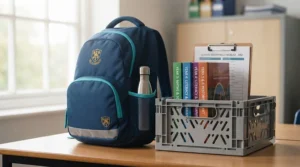
The standout feature on this one is value: a 16-litre bag with an internal organiser panel for under £20 is hard to beat on paper. Once you open it up, that organiser panel is the real story — a dedicated zip pocket and pen loops mean smaller stationery doesn’t just slide to the bottom of the main compartment, which is a common complaint about similarly priced rivals.
What the spec sheet won’t tell you, but user reports suggest, is that the fabric on budget bags like this one tends to show wear faster around the zip pullers and base corners than pricier alternatives — reasonable, given the price point, but worth knowing if your child is rough on kit. For a Year 3 pupil just moving up from a book bag, the lighter unloaded weight of the Trespass Swagger is genuinely useful, since it doesn’t eat into the 10% body-weight guidance discussed later in this article before a single book goes in.
Pros:
- ✅ Genuinely low price point for a structured school bag
- ✅ Internal organiser keeps stationery separate from books
- ✅ Lightweight when empty, ideal for smaller Year 3 pupils
Cons:
- ❌ Fabric shows wear faster than premium alternatives
- ❌ Fewer colour and pattern options than competitor brands
Priced in the £15–£20 range, the Trespass Swagger is the obvious pick for parents wanting a solid, no-frills option without committing to a premium spend before knowing how their child treats their belongings.
3. adidas Classic 3-Stripes Backpack — the reliable everyday all-rounder
The three-stripe branding is the recognisable hook here, but the standout practical feature is the roomy front pocket, which is exactly where a PE kit bag or spare jumper tends to end up on non-uniform days. At roughly 24 litres, this backpack sits comfortably in the middle of our capacity range — big enough for Year 5 and 6 workloads, not so oversized that a Year 3 child disappears behind it.
On paper this means solid, unremarkable specs: padded adjustable straps, a single main compartment, a front zip pocket. Based on the spec comparison, what actually elevates it is the sheer volume of real customer feedback available — adidas backpacks in this range routinely rack up thousands of verified ratings on Amazon, and the aggregated sentiment consistently praises strap comfort over a full school day, with occasional complaints about the zip pullers feeling flimsy after heavy use.
Pros:
- ✅ Recognisable, popular design that holds resale value
- ✅ Comfortable padded straps rated highly across thousands of reviews
- ✅ Front pocket ideal for a spare PE kit bag or jumper
Cons:
- ❌ Zip pullers reported as a weak point over time
- ❌ Limited internal organisation beyond the main compartment
At around £15–£25, the adidas Classic 3-Stripes Backpack offers dependable middle-ground value, and the brand recognition means it tends to hold appeal right through to the Year 6 leavers’ disco without feeling babyish.
4. Nike Elemental Backpack with Pencil Case — solves the stationery problem in one purchase
The standout advantage is bundling: this comes with a matching pencil case included, which quietly solves one of the most fiddly back-to-school shopping tasks — finding a case that actually fits inside the bag rather than rattling around loose. At roughly 22 litres, dimensions sit close to 46 x 30 x 15cm, comfortably fitting an A4 folder alongside a lunch box without forcing everything to be crushed together.
Here’s what most buyers overlook about matching sets like this: buying pencil case and backpack separately from different brands often means an awkward-shaped case that eats capacity unnecessarily, whereas a co-designed set is built to nest properly. Reviewers consistently note the padded back panel as a genuine comfort upgrade over cheaper bags, though several mention that darker colourways show dust and light marks more visibly than patterned alternatives.
Pros:
- ✅ Matching pencil case included, saving a separate purchase
- ✅ Padded back panel adds noticeable comfort for daily wear
- ✅ Roomy main compartment fits folders without excessive squashing
Cons:
- ❌ Higher price point than most stationery-included bundles
- ❌ Light colourways show marks and dust more readily
Sitting in the £30–£40 range, the Nike Elemental Backpack with Pencil Case earns its price largely through convenience — parents doing a single back-to-school shop in one go will appreciate not hunting for a second item separately.
5. Under Armour Hustle Backpack — the one with an enormous track record
The standout here isn’t a single feature so much as sheer weight of evidence: this backpack has amassed thousands of verified Amazon reviews sitting at a notably high average rating, which is about as strong a real-world durability signal as a shopper can get before buying. The roughly 26-litre capacity leans towards the larger end of what a Year 3 to 6 pupil needs, making it a genuinely sensible option for families who’d rather buy once and not revisit the decision every September.
Based on the spec comparison, the reinforced bottom panel stands out as the detail that matters most in practice — school bags are dragged, dropped, and used as impromptu seats on the playground, and a reinforced base delays the point at which the fabric wears through. What most buyers overlook is that the roomier main compartment, while great for capacity, means younger or more petite Year 3 children may find the bag looks and feels oversized until they grow into it around Year 5.
Pros:
- ✅ Backed by an unusually large volume of positive verified reviews
- ✅ Reinforced base panel resists wear from daily drops and drags
- ✅ Generous capacity comfortably covers books, kit and lunch box
Cons:
- ❌ Can look oversized on smaller Year 3 children
- ❌ Sits at a higher price point than similarly specced rivals
Priced around £35–£45, the Under Armour Hustle Backpack is best suited to families prioritising a long service life over the newest colourway, particularly for children already at the taller end of the Year 3 to 6 range.
6. Trespass Alder 25L — roomiest pick for Year 5 and 6 workloads
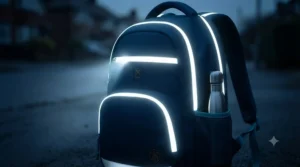
The standout feature is the pair of side pockets, sized for a water bottle on one side and useful for a small PE kit bag or wet-weather layer on the other — a detail that’s surprisingly rare at this price point. The 25-litre main compartment, built from a ripstop melange polyester, is noticeably tougher against snagging than the smooth polyester used on cheaper bags, which matters once a bag starts sharing peg space with coat hooks and lunch trolleys.
What the spec sheet won’t tell you, but user reports suggest, is that the front zip pocket is just the right size for a reading diary and pencil case combined, without needing to dig through the main compartment every morning. Reviewers consistently rate this as excellent value relative to comparable Trespass rucksacks aimed at adults, with the occasional note that the straps, while padded, are narrower than premium alternatives like the Kånken.
Pros:
- ✅ Side pockets neatly separate water bottle and PE kit bag
- ✅ Ripstop fabric resists snagging better than basic polyester
- ✅ 25-litre capacity comfortably covers Year 5 and 6 workloads
Cons:
- ❌ Shoulder straps narrower than premium competitor bags
- ❌ Less structured shape than boxier alternatives on this list
At £18–£25, the Trespass Alder 25L is arguably the best all-round value pick here for families anticipating their child’s kit load growing heavier as they move up through junior school.
7. Estwell Camouflage Backpack — the lightest bag on this list, and the cheapest
The standout advantage is simplicity: a genuinely lightweight, water-resistant nylon shell that keeps unloaded bag weight to a minimum, which matters enormously when weighed against the posture guidance covered further down this article. This is currently one of the better-selling children’s backpacks on Amazon UK, and the sheer volume of ratings gives a reasonably reliable picture of real-world performance at this price.
Here’s what actually matters in practice: at under £20, this bag isn’t going to survive four years of daily abuse the way the Kånken or Under Armour Hustle might, and honestly, it isn’t trying to. Aggregated review sentiment consistently praises the light weight and water resistance for the price, while a recurring theme in feedback is that the straps, while padded, are thinner than pricier rivals and can dig in slightly under a fully loaded lunch box and PE kit bag combination.
Pros:
- ✅ Genuinely lightweight, ideal for smaller Year 3 frames
- ✅ Water-resistant nylon copes well with the school run in rain
- ✅ Among the cheapest genuinely functional options available
Cons:
- ❌ Thinner straps than premium alternatives, can dig in when full
- ❌ Less likely to survive multiple full school years of daily use
At around £12–£18, the Estwell Camouflage Backpack is the sensible pick for budget-conscious parents, or as a low-stakes starter bag while a Year 3 pupil is still working out how to look after their belongings.
Setting Up Your Child’s Backpack for the School Year
Buying the bag is only half the job — how it’s set up in the first fortnight determines whether it lasts. Start by labelling both the inside and outside; a sewn-in name tape survives longer than an iron-on one, and marking the inside of a lunch box lid separately means it doesn’t vanish into lost property within the first half-term.
Establish a Sunday-evening routine of emptying the bag completely, checking for damp PE kit or forgotten reading books, and wiping down the lining if a lunch box has leaked. This single habit prevents the mould and mildew smell that’s a surprisingly common complaint in reviews of otherwise excellent bags. For the first thirty days, resist the urge to let your child overpack “just in case” — extra toys and unnecessary layers are the single biggest contributor to bags exceeding the recommended weight limits covered later in this guide. Finally, adjust the straps properly at the start of term and again after any growth spurt; a bag sitting too low pulls a child’s centre of gravity backward and undoes even the best ergonomic design.
Real-World Scenarios: Matching Bags to Different Year 3-6 Kids
Consider a small, slightly built Year 3 pupil who’s new to carrying their own reading folder and PE kit bag independently. For this profile, prioritise low unloaded weight and a manageable size over sheer capacity — the Estwell Camouflage Backpack or Trespass Swagger both make sense, since an oversized bag on a small frame does more harm to posture than a slightly tight one.
Now picture a Year 5 pupil attending an after-school club that requires extra kit two days a week, on top of the standard reading book, homework folder and lunch box. Here, capacity and organisation matter more than weight — the Trespass Alder 25L or Under Armour Hustle handle this load comfortably, with dedicated pockets keeping wet kit separate from dry books.
Finally, think about a family with two or three children moving through the same school in sequence. Buying once and handing the bag down between siblings makes the higher upfront cost of the Fjällräven Kånken Classic genuinely competitive over a five- to seven-year span, since its fabric is specifically noted in aggregated reviews for resisting the fading and fraying that forces most budget bags into replacement after eighteen months to two years.
Common Backpack Problems, Solved
Straps digging into shoulders is one of the most frequent complaints across review sections for budget bags. The fix is rarely a new backpack — it’s usually simply removing unnecessary weight and re-adjusting the strap length weekly, since children rarely readjust straps themselves as they grow.
A lunch box leaking into the main compartment is another recurring headache. Look for bags with a wipeable inner lining, or use a small drawstring pouch as a barrier inside the compartment; several of the bags above, including the Trespass Alder 25L, have a lining that’s noticeably easier to sponge clean than others on this list.
Zips jamming on overstuffed bags shortens the lifespan of otherwise excellent products dramatically. Teach children to unzip fully before pulling items out, rather than yanking at a half-open zip — a small habit that review data suggests correlates strongly with fewer zip failures over a school year.
Finally, a bag that smells musty despite regular emptying often points to a damp PE kit bag left inside over a weekend. Airing the bag fully open overnight once a week, particularly after PE days, resolves this in almost every case reviewers describe.
How to Choose a Backpack for Year 3 to 6
- Measure torso length, not just age. A bag that sits below the natural waistline pulls a child off balance regardless of how padded the straps are.
- Prioritise two wide, padded straps over a single-strap or messenger design. Health guidance consistently favours even weight distribution across both shoulders.
- Check the unloaded weight of the bag itself. A heavier empty bag eats into the recommended total-weight allowance before a single book goes in.
- Match capacity to actual daily contents, including whether the school expects a separate PE kit bag or wants everything in one bag.
- Look for a wipeable lining if your child’s school allows packed lunches — leaks are near-inevitable at some point across a school year.
- Consider fabric durability over pattern appeal, since younger children’s taste in prints often changes faster than the bag wears out.
- Budget for replacement book bag straps or repairs rather than assuming any bag will need zero maintenance across four years.
Backpack vs Book Bag: What’s the Difference for Year 3-6 Pupils
Many UK primary schools start children in Reception and Key Stage 1 with a small, often school-branded “book bag” — a flat, satchel-style pouch carried by a single handle or short strap, designed purely to hold a reading book and a home-school diary. By Year 3, most schools transition pupils onto a full backpack, partly because the workload increases and partly because a two-strap design is simply safer for a heavier daily load.
This is also where book bag straps become a genuinely searched-for topic among parents, because the transition period causes real confusion. Some schools ask Year 3 and 4 pupils to continue carrying the branded book bag inside a full backpack, rather than replacing it outright — in which case, worn or snapped book bag straps on the original bag are often replaceable individually rather than needing a whole new book bag, and many school uniform suppliers stock spare straps specifically for this. If your child’s original book bag straps have simply stretched or frayed rather than the bag itself failing, a strap replacement is nearly always cheaper and more sustainable than buying a new book bag outright, and it’s worth checking with the school uniform supplier before assuming a full replacement is needed.
Functionally, the shift from a single-strap book bag to a proper two-strap backpack for year 3 to 6 is where posture considerations genuinely start to matter, which is covered in more detail further down this guide.
Common Mistakes When Buying a Backpack for Year 3 to 6
The most frequent mistake is buying based purely on print or character licensing without checking strap width and padding — a striking design fades in appeal within a term, but poor strap comfort is felt every single day. A close second is buying oversized “to grow into,” which, based on the posture guidance discussed below, often does more harm than a snugger fit for the first year of use.
Parents also commonly underestimate how much a PE kit bag and lunch box add to daily bag weight, buying a backpack sized purely around books and folders. Finally, skipping the internal organisation check is a recurring regret — a single large compartment might look spacious in a product photo, but reviewers consistently note that younger children lose small items like reading records at the bottom of unstructured bags within weeks.
Fitting the Lunch Box and PE Kit Bag In: Capacity That Actually Works
A common miscalculation parents make is judging backpack capacity purely against books, forgetting that a standard rectangular lunch box and a separate PE kit bag both need to fit alongside a reading folder on busy days. As a rough guide, anything below around 14 litres struggles once a lunch box is added; the 16 to 25-litre range covered across this list comfortably accommodates books, a lunch box and a compact PE kit bag together without needing to compress anything.
Side pockets, like those on the Trespass Alder 25L, are particularly useful here because they let a lunch box sit separately from books rather than pressing against them, which reduces the chance of a leak spreading further into the compartment. If a school requires PE kit only once or twice a week, a separate small drawstring PE kit bag that clips or sits inside the main backpack compartment is often more practical than trying to find a backpack with a fully dedicated PE section, since most bags in this size and price range simply don’t include one as standard.
Long-Term Cost & Maintenance: Getting Value Across Four School Years
Working out genuine value means thinking beyond the sticker price to cost-per-year of actual use. A £15 bag replaced twice across four years works out roughly the same total spend as a single £30–£40 bag that survives the full stretch — but the more expensive option saves on the hassle, and the environmental cost, of buying twice.
Based on the aggregated review evidence gathered for this article, the Fjällräven Kånken Classic and Under Armour Hustle both show a pattern of owners reporting multi-year use without major fabric failure, which supports treating their higher upfront price as reasonable value over time. Conversely, budget options like the Estwell Camouflage Backpack make more financial sense as a one- or two-year bridge bag — ideal for a Year 3 pupil still working out how to look after belongings, with a plan to upgrade once habits are established. Simple maintenance — regular emptying, spot-cleaning the lining, and addressing loose book bag straps or fraying seams early — extends the working life of almost any bag on this list regardless of original price.
Safety, Weight & Posture: What UK Guidance Says
This is where the practical advice matters most, and it’s an area worth getting right. The widely cited UK guideline, supported by chiropractic professionals, is that a fully loaded school bag should ideally weigh no more than around 10% of a child’s body weight, with 15% treated as a firmer upper limit rather than a target. For a typical 30kg Year 4 pupil, that works out to roughly 3kg fully loaded — books, lunch box, PE kit bag and all.
In practice, this is why bag choice matters as much as packing habits: a heavier empty bag simply leaves less allowance before a single book goes in, which is one of the clearest arguments for prioritising a lighter shell like the Estwell Camouflage Backpack for smaller Year 3 children. Two padded straps worn on both shoulders, rather than slung over one, remain the consistent recommendation across UK physiotherapy and chiropractic guidance, alongside adjusting the bag to sit high and snug rather than low against the lower back.
Separately, it’s worth families knowing that UK schools are subject to statutory guidance on keeping school uniform and PE kit costs down, including limits on the number of compulsory branded items a school can require — useful context if a school’s own branded book bag or PE kit bag feels like an unnecessary added expense on top of a backpack you’ve already bought.
Features That Actually Matter (And Those That Don’t)
Padded, adjustable straps and a reinforced base genuinely matter — they’re the two features aggregated review data ties most consistently to a bag surviving multiple years rather than failing early. A wipeable interior lining matters too, given how often a leaking lunch box comes up as a recurring complaint across nearly every brand on this list.
What matters considerably less, despite heavy marketing emphasis, is an excess of external pockets and clips beyond two or three — extra zips are extra points of eventual failure, and few Year 3 to 6 pupils use more than a front pocket and a side water bottle holder in daily practice. Elaborate light-up or novelty features are similarly more about the initial purchase decision than long-term satisfaction; research on children’s uniform and PE kit spending consistently shows families reassessing purchases based on durability and comfort well before novelty features factor into a repeat buy.
Frequently Asked Questions
❓ What size backpack does a Year 3 child need?
❓ Should Year 3 to 6 children carry a separate PE kit bag?
❓ How heavy should a fully loaded school backpack be?
❓ Can book bag straps be replaced instead of buying a new bag?
❓ Is it worth buying an expensive backpack for a Year 3 child?
Conclusion
Choosing a backpack for year 3 to 6 really comes down to matching the bag to your specific child and household — their build, how many years you need it to last, whether the school expects a separate PE kit bag, and how much a leaking lunch box would genuinely bother you at 8am on a Tuesday. The Fjällräven Kånken Classic and Under Armour Hustle reward the higher upfront spend with genuine multi-year durability backed by strong aggregated review evidence, while the Trespass Swagger and Estwell Camouflage Backpack are entirely sensible choices for budget-conscious families or as a starter bag for a newly independent Year 3 pupil.
Whichever you land on, the practical guidance matters as much as the product choice: keep the loaded weight sensible, adjust straps properly, and don’t be afraid to simply replace worn book bag straps rather than the whole bag if that’s all that’s failed. A well-chosen backpack should quietly do its job for years — surviving muddy PE kits, spilt yoghurt from an overzealous lunch box, and the general chaos of a busy school run — without your child (or you) giving it a second thought.
Recommended for You
- Pencil Case for Year 1 and 2: 7 Best Picks for UK Kids (2026)
- Reception School Starter Pack: 7 Best Buys for 2026
- Best Folding Ruler for Craft Use in 2026: 7 Top UK Picks
Disclaimer: This article contains affiliate links. As an Amazon Associate, I earn from qualifying purchases. If you purchase products through these links, we may earn a small commission at no additional cost to you.
✨ Found this helpful? Share it with your friends! 💬🤗
